Hemlocks for Hope
Rebuilding Southern Maryland’s Eastern Hemlock stands…. one tree at a time!

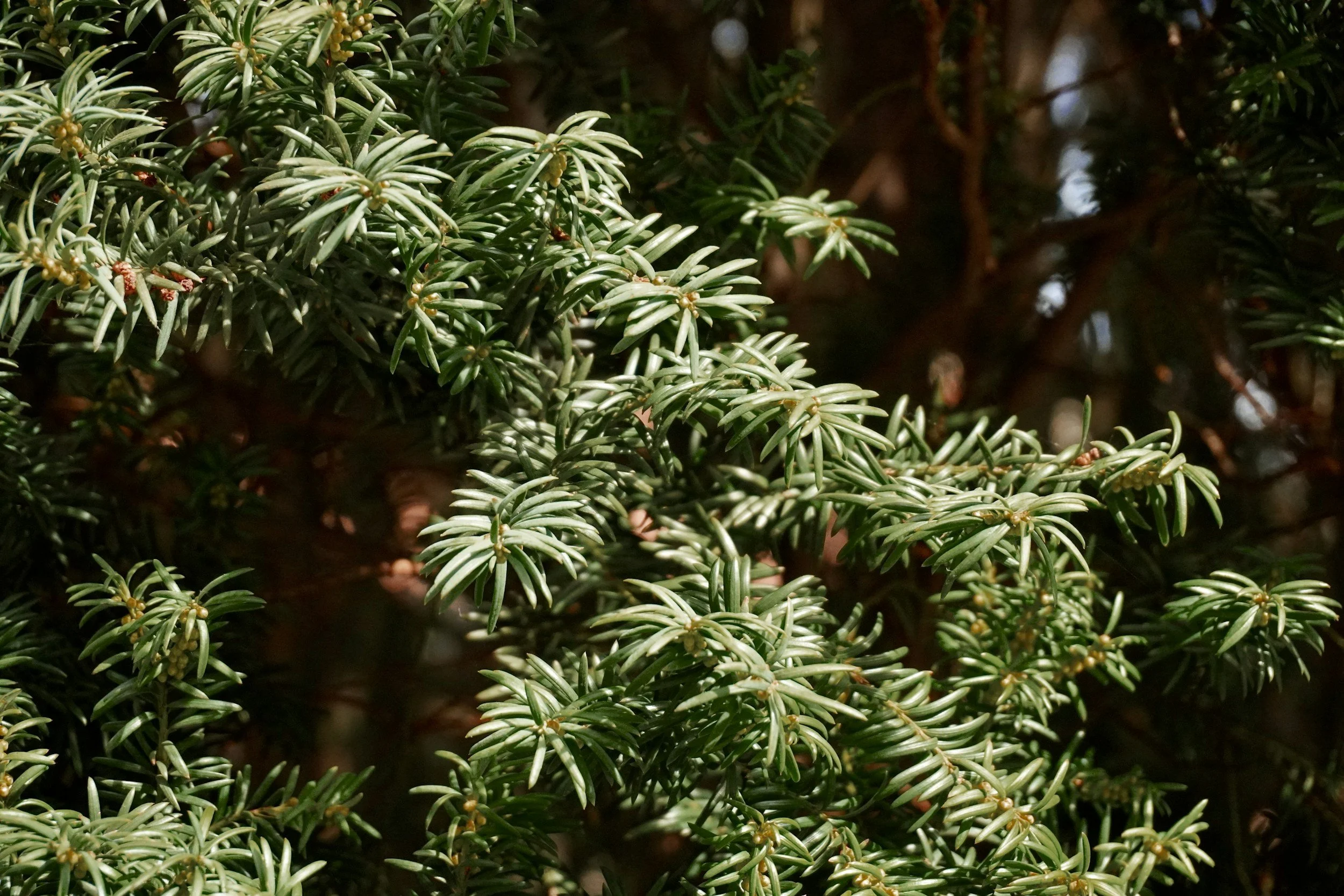
The Eastern Hemlock (Tsuga canadensis) is an evergreen tree native to the Eastern United States - ranging from Canada to Alabama and as far west as Minnesota. Cove Point Natural Heritage Trust is working hard to protect and preserve a rare stand of the Eastern Hemlock in Calvert County, MD. Our stand is comprised of approximately 300 trees of varying size and age and it is the last remaining stand on the East Coast’s southernmost coastal plain.
Hemlocks for Hope is a program designed to educate the public about the ecological benefits of hemlocks and promote their protection and preservation. The Hemlock’s dense coniferous branches offer shade and bring a cool microclimate to our forests providing a critical wildlife habitat and ecological balance along our waterways.
By combining proactive pest control, fencing to discourage browsing from white tailed deer and proactive restoration plantings, we aim to ensure that our hemlocks remain a lasting part of our forests, provide cooling shade, wildlife habitat, and ecological balance along our waterways.
Interested in joining us to help preserve the Eastern Hemlock? Please contact us today!
Hemlocks for Hope: Guided Hikes in Spring 2026
Eastern Hemlock Restoration Hike and Planting Activity
Join us for an educational hike through the Hellen Creek Nature and Wildlife Preserve located 4 miles from downtown Lusby, MD. Attendees will learn about the struggle to save the native Eastern Hemlock tree from disappearing from the Calvert County landscape. The Hellen Creek Nature and Wildlife Preserve has the last remaining Eastern Hemlock stand on the east Coast’s southernmost coastal plain. Learn about the ecological benefits that Eastern Hemlocks provide while learning about what CPNHT is doing to preserve, protect and regenerate this rare native tree stand in Calvert County.
A secondary activity will include a planting activity of small (8-10 inch) Eastern Hemlock seedlings.
Hemlock Hike #1:
March 18th, 2026. 10am-1pm
Hemlock Hike #2:
April 15th, 2026. 10am-1pm
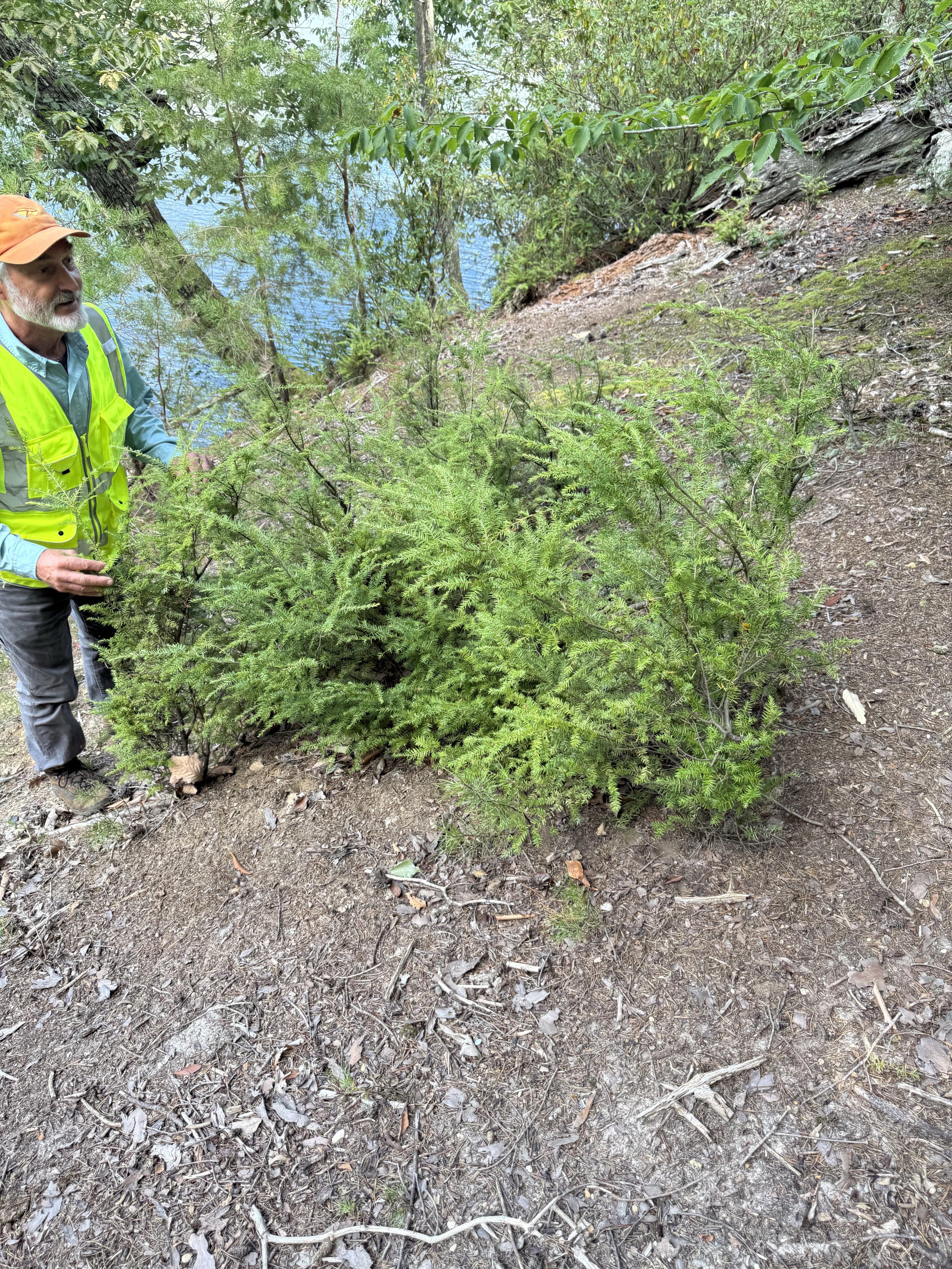
Dense grove of Eastern Hemlock seedlings.
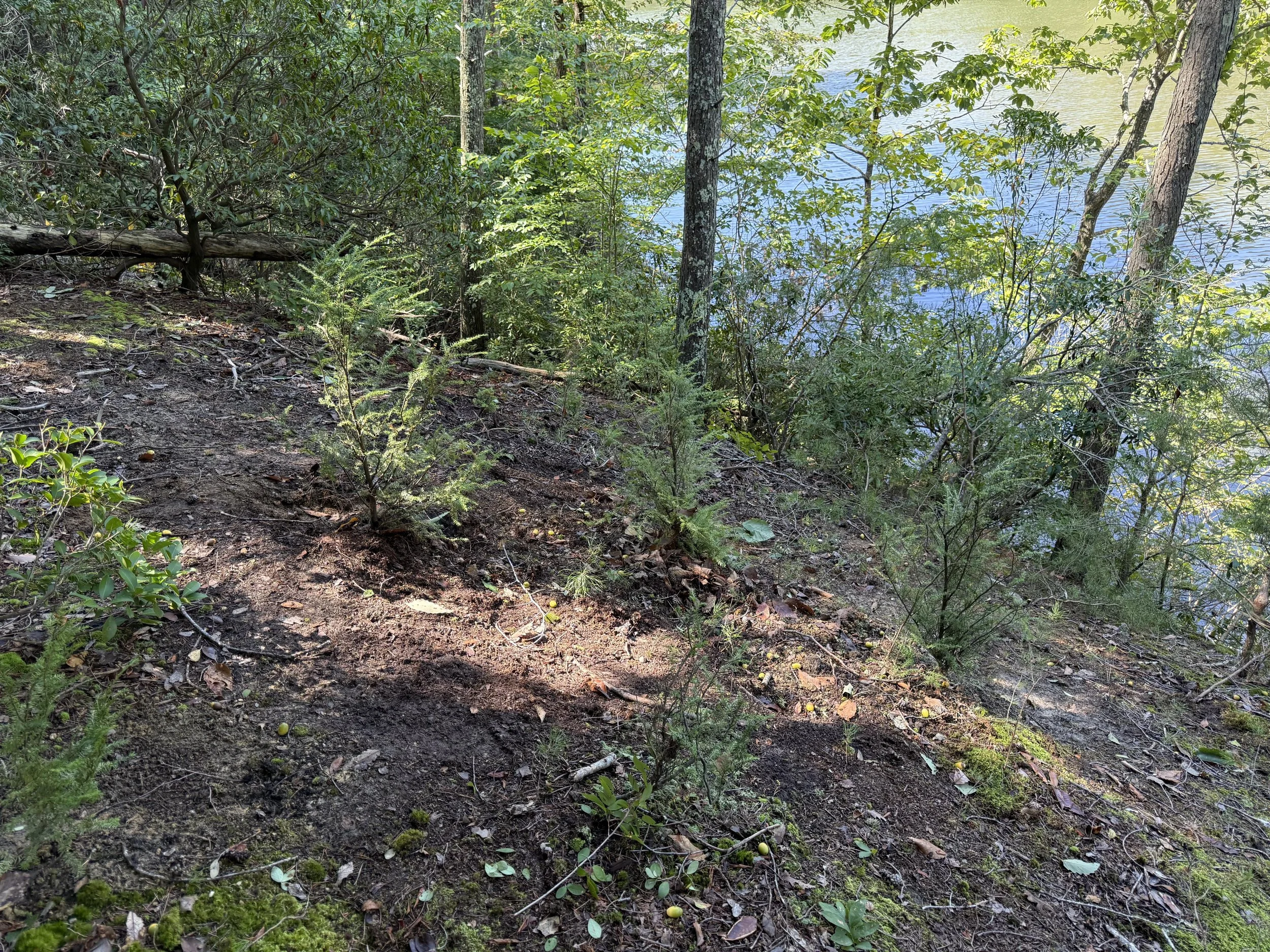
Once a dense grove, numerous Hemlocks were transplanted to begin a new stand along Hellen Creek.
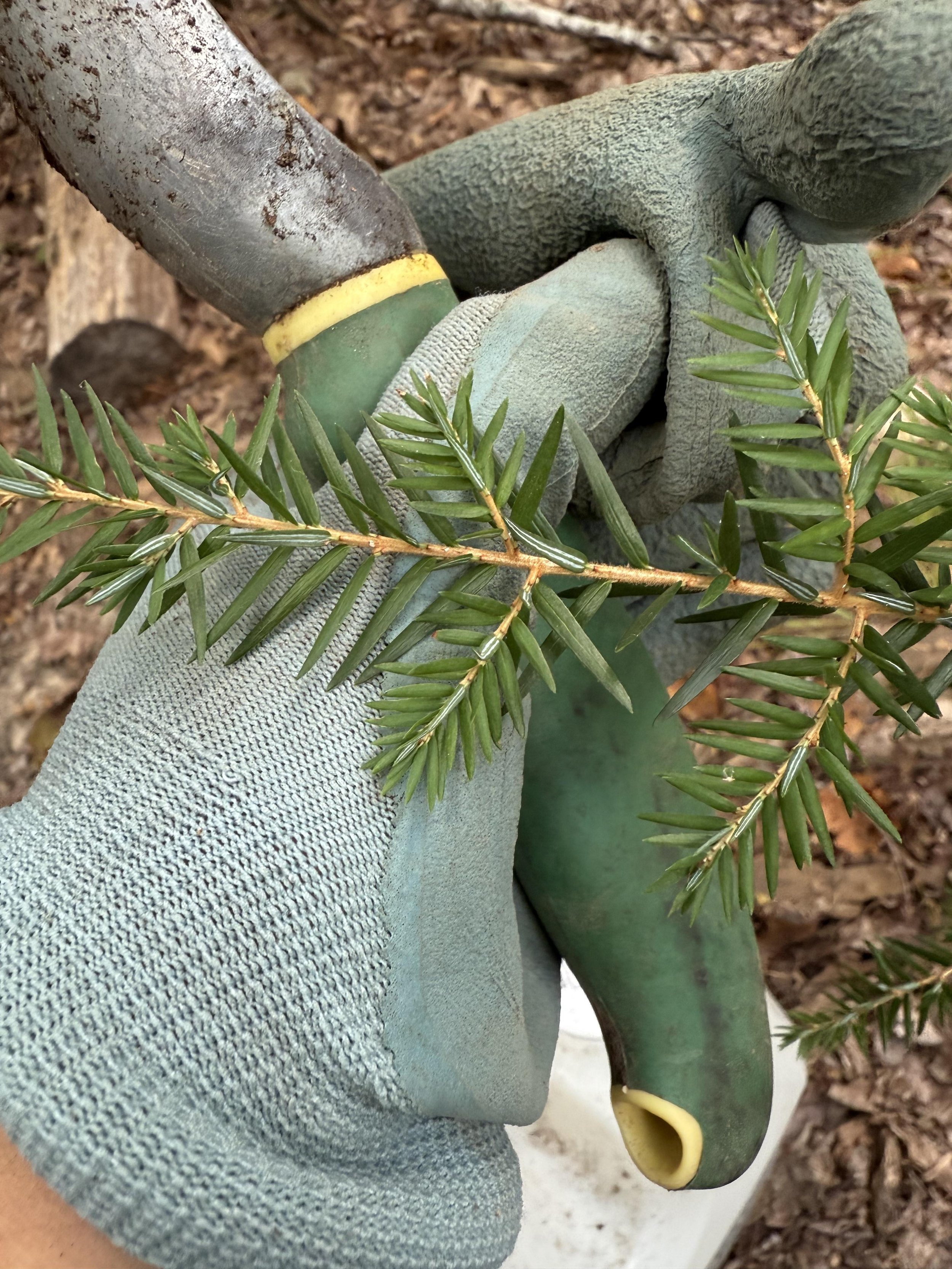
Hemlocks are identified by their distinct feathery and flat needles.
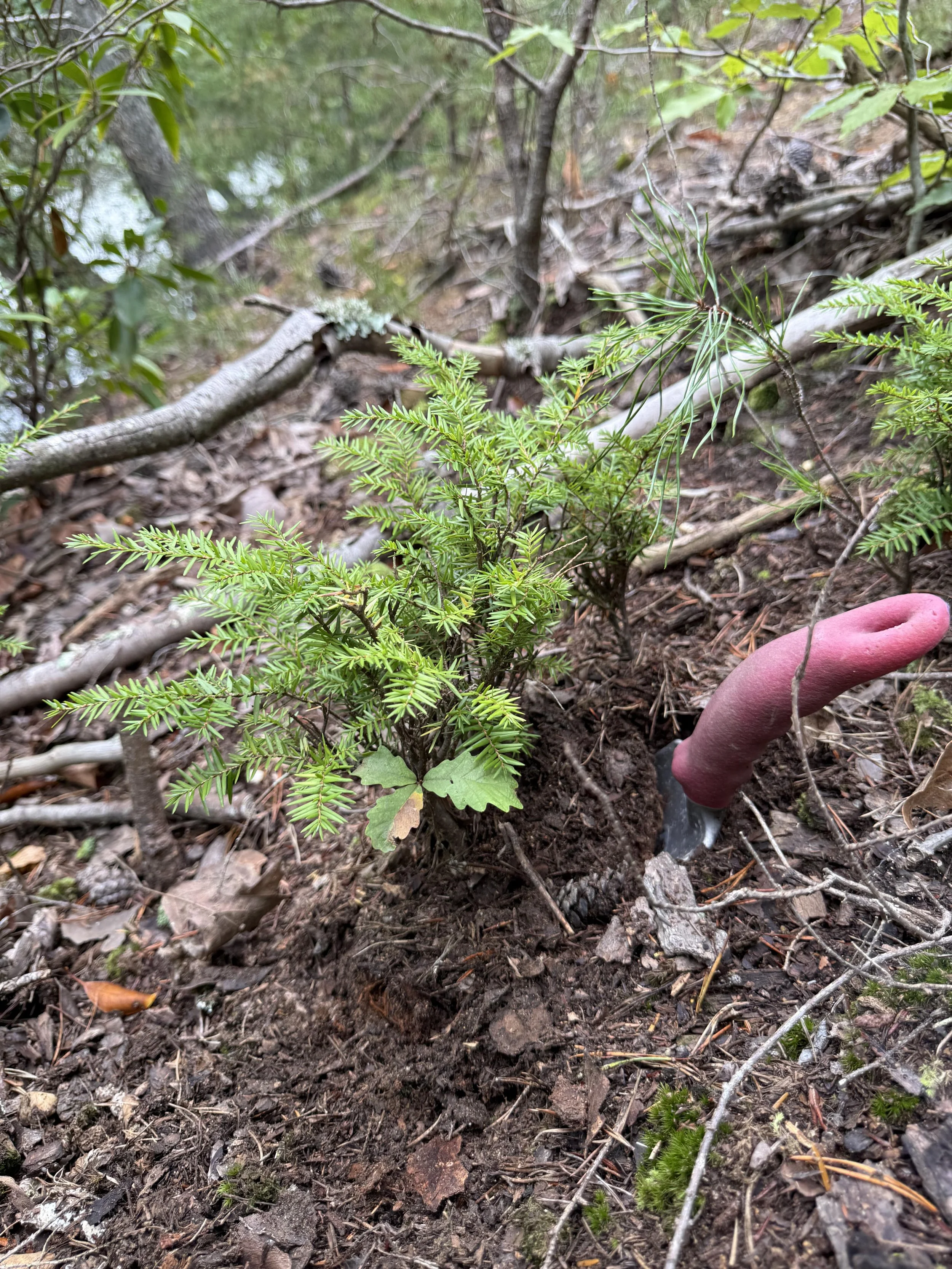
New growth Eastern Hemlock about to be transplanted to create a new stand.
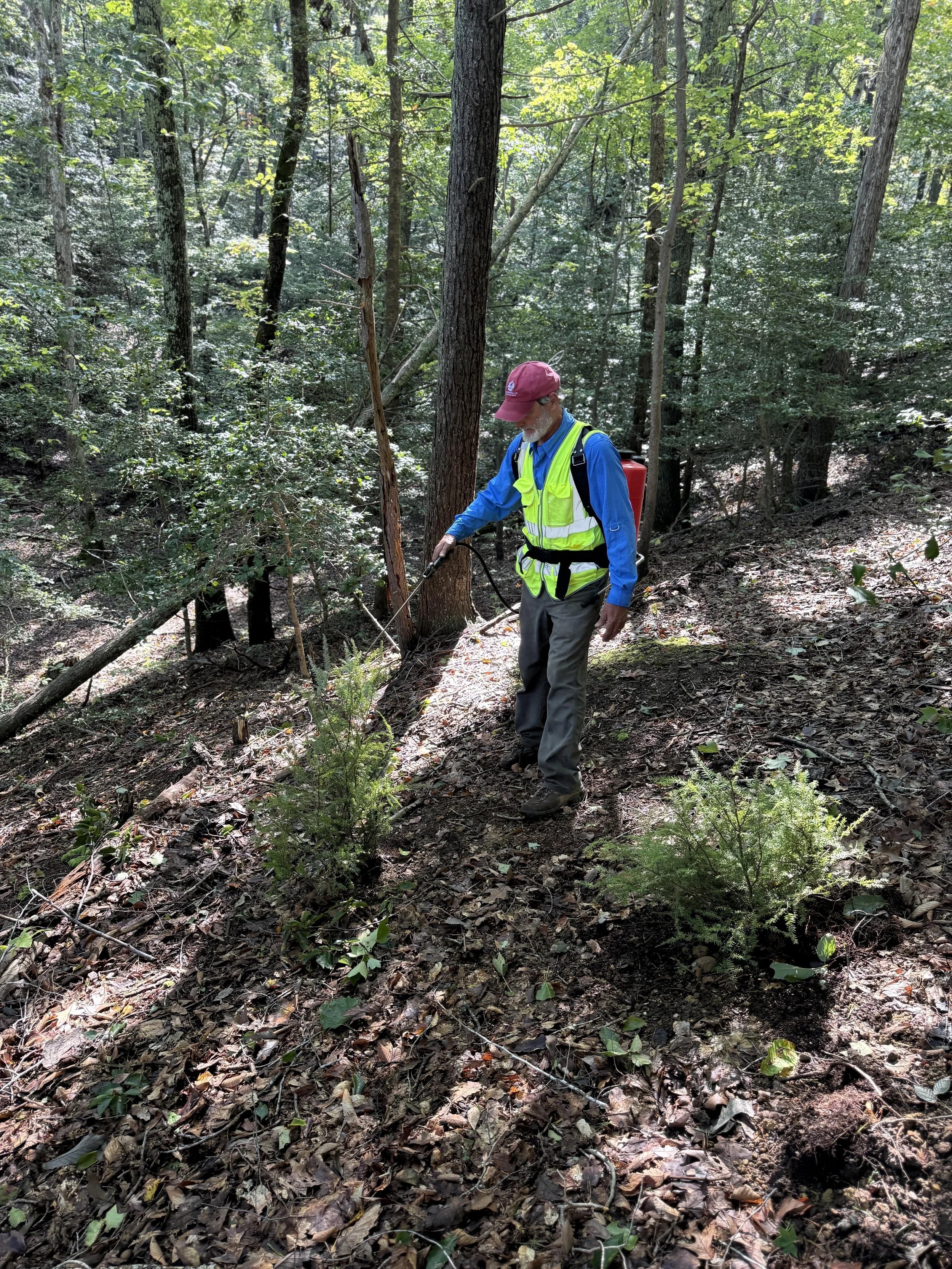
Newly transplanted Hemlocks being treated to prevent Woolly Adelgid spread.
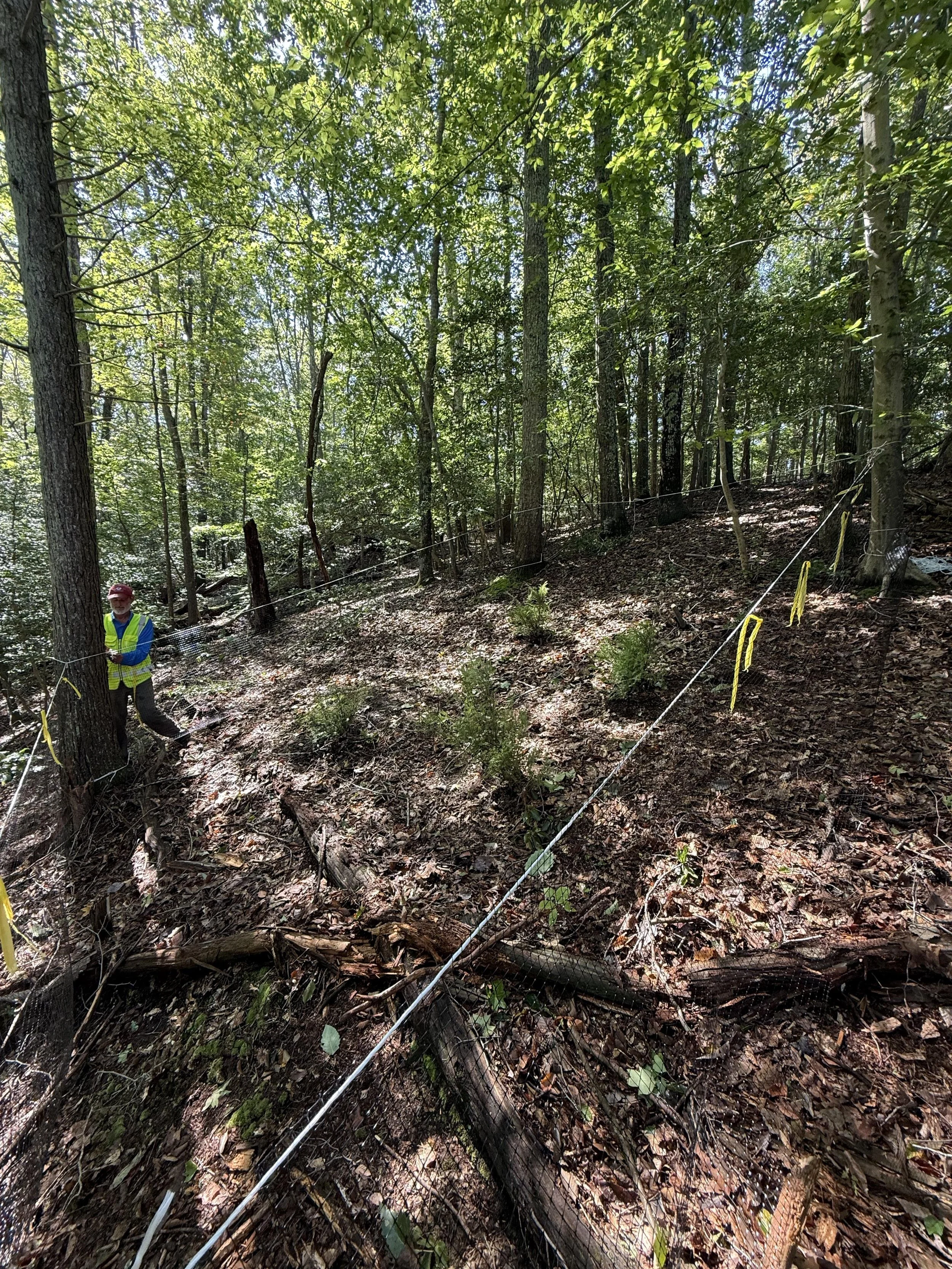
Deer fencing was placed around each transplanted Hemlock grove to prevent grazing and trampling.
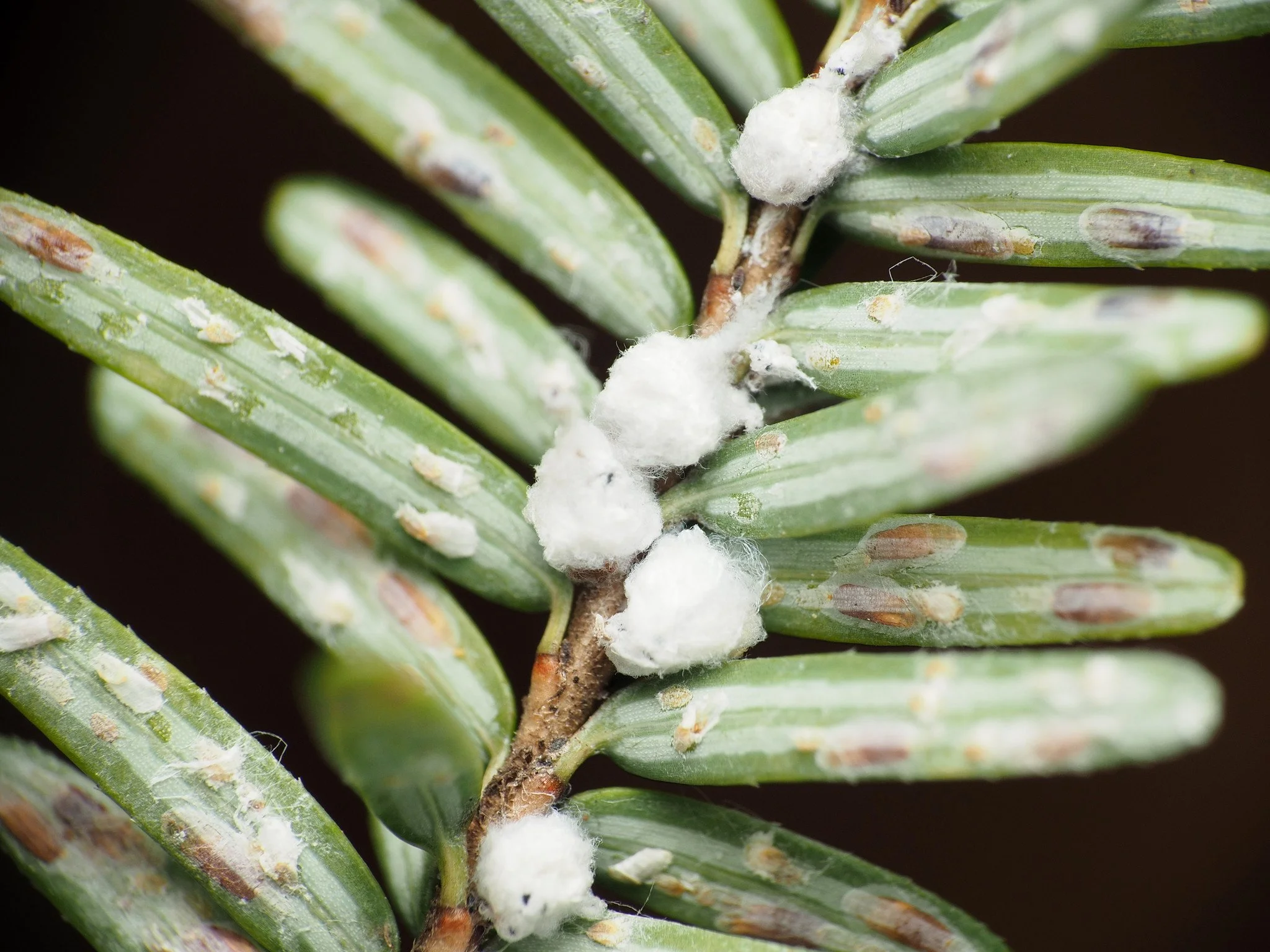
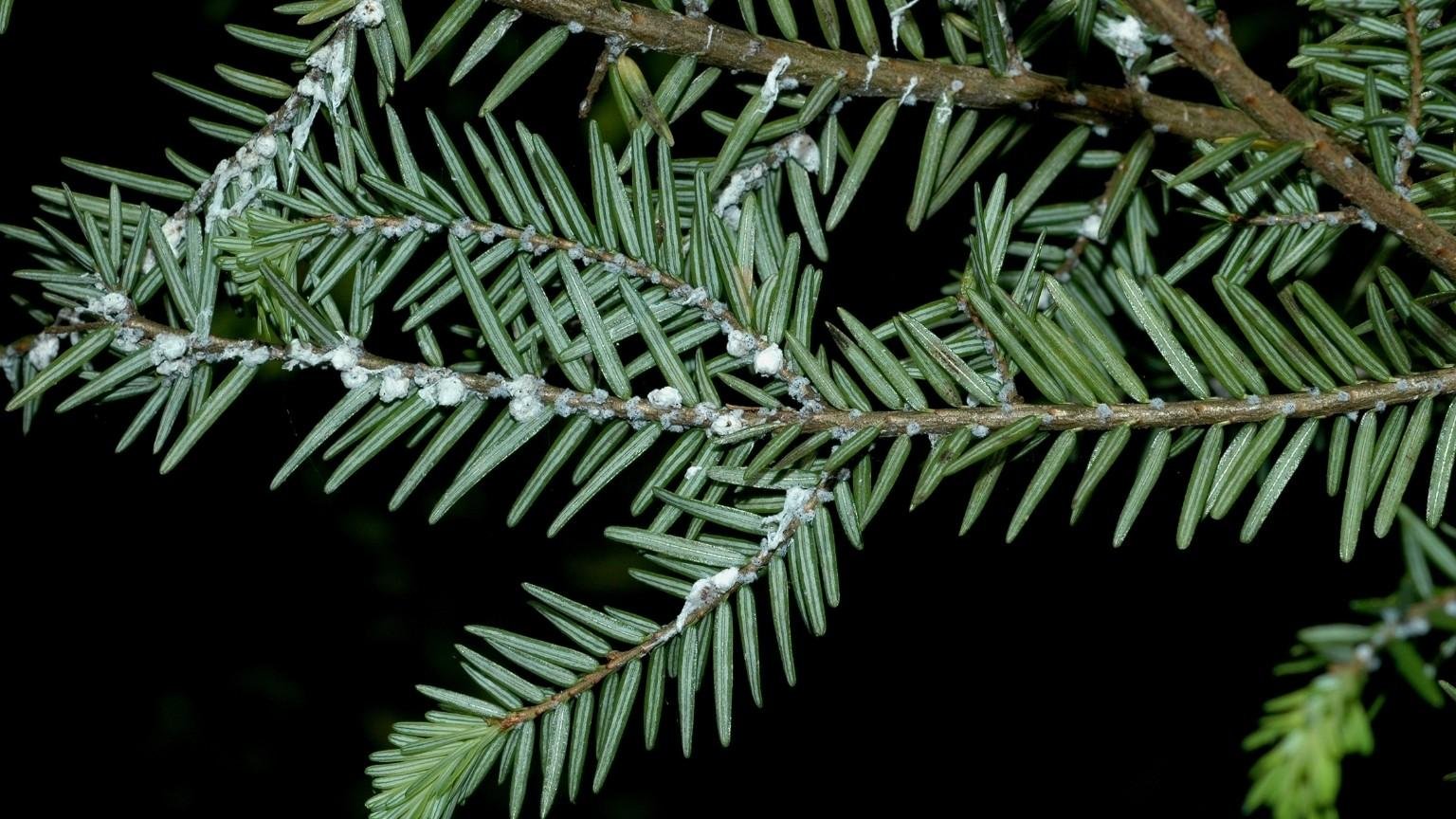
Source: Maryland Biodiversity Project
Source: University of Maryland
Hemlock Woolly Adelgid
The invasive Hemlock Woolly Adelgid (Adelges tsugae), is a tiny sap-sucking insect that attacks eastern and Carolina hemlock trees in North America. Recognizable by the white, cotton-like masses it produces along the base of needles, this pest feeds on the tree’s nutrients, leading to needle discoloration, premature drop, crown thinning, and often tree death within 4–10 years if untreated.
Native to East Asia, the adelgid reproduces asexually in North America, producing two generations per year and spreading through wind, wildlife, or the movement of infested materials by humans. Its impact extends beyond tree health, as the loss of hemlock forests reduces biodiversity, increases erosion, and disrupts cool, shaded stream habitats essential for aquatic species.
At Cove Point Natural Heritage Trust, we are working to protect our Eastern Hemlocks from existing infestations and mitigate the spread of the Woolly Adelgid to our new growth hemlocks. These efforts include carefully monitoring our stands for early signs of infestation, applying targeted treatments when necessary, and supporting the long-term health of young trees through ongoing maintenance and care.
By combining proactive management with restoration plantings, we aim to ensure that hemlocks remain a lasting part of our forests, continuing to provide shade, wildlife habitat, and ecological balance along our waterways.